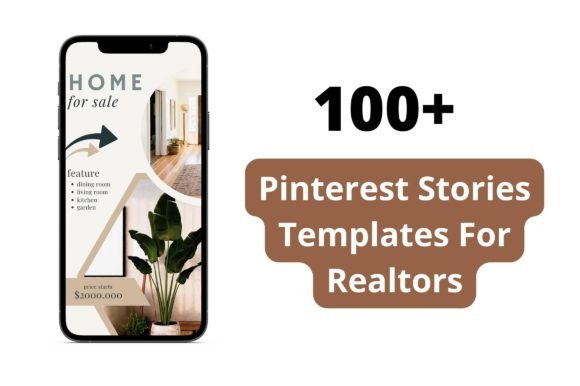
Real Estate Pinterest Stories: Premium Graphics & Graphic Templates
As a graphic designer who has spent over a decade refining brand identities and marketing visuals for small businesses, I approach every new graphic design asset with a healthy dose of skepticism. We have all been there: downloading a "premium" bundle only to find disjointed elements, poor layer organization, or styles that clash with modern aesthetic standards. However, when I recently evaluated the Editable Real Estate Pinterest Stories for a client project, my perspective shifted from caution to genuine appreciation. This review breaks down how this specific collection of Graphic Templates performs in a real-world design environment, moving beyond the sales pitch to practical application.
First Impressions: Mood, Style, and Visual Cohesion
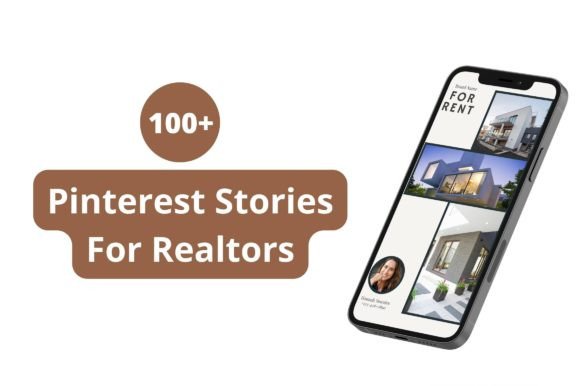
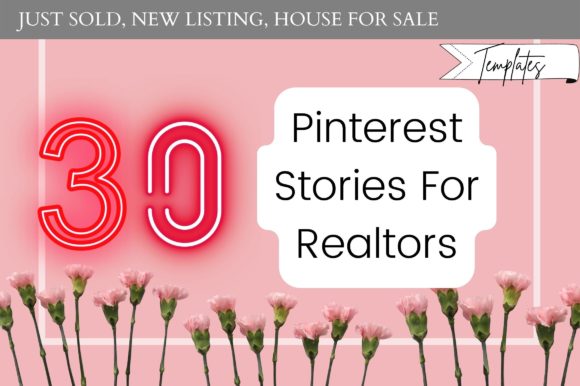
The first thing you notice when opening the Editable Real Estate Pinterest Stories is the intentional cohesion. In the world of digital product creation, consistency is king. These templates do not feel like random clips thrown together; they feel like a curated suite designed for a specific narrative. The visual mood strikes a balance between professional authority and approachable warmth, which is critical for real estate agents who need to appear both trustworthy and personable.
For a designer, this means less time spent forcing disparate elements to work together. The style leans towards clean, modern layouts with ample white space, allowing property photos to take center stage. This is not just about aesthetics; it is about function. When I imagine using these for a boutique real estate brand or a local agency launch, the design language naturally supports high-end listings without overpowering them. It fits seamlessly into projects requiring a polished, editorial look, making it an ideal choice for small business branding efforts that rely heavily on social media presence.
Versatility in Real Client Projects
While the primary label suggests these are for Pinterest, limiting their use to one platform would be a mistake. In my practice, I look for assets that can stretch across multiple touchpoints. Here is how I see these Graphics performing in various design situations:
- Social Media Graphics: Obviously, they excel here. But beyond Pinterest, the vertical formats adapt beautifully to Instagram Stories and Reels covers, providing a consistent visual thread across platforms.
- Marketing Visuals: The layout structures can be repurposed for digital ads. By swapping out placeholder text and images, you can create compelling Facebook or Instagram ad creatives that maintain brand integrity.
- Web Design and Blog Visuals: The clean typography and structured boxes make excellent featured images for real estate blog posts or website headers, enhancing the overall user experience.
- Email Campaigns: The modular nature of the templates allows designers to slice sections for email newsletters, ensuring that promotional blasts look as professional as the social feed.
This versatility transforms the Editable Real Estate Pinterest Stories from a single-use item into a comprehensive design bundle that supports a broader brand identity. For clients who are not just selling homes but building a personal brand, this multi-platform utility is invaluable.
Strategic Placement: Where It Works Best
Understanding where to place these assets is crucial for maintaining visual hierarchy. These templates shine in large layout areas where they can serve as hero graphics. They are particularly effective when used as framing devices for high-quality property photography. The design elements act as decorative accents that guide the eye toward the key information—price, location, or agent contact details—without creating visual noise.
They are also excellent for themed collections. If you are launching a seasonal campaign, such as "Spring Open Houses" or "Winter Market Trends," these templates provide a ready-made structure that ensures all related content looks part of the same family. This consistency builds recognition and trust with the audience, which is the ultimate goal of any commercial design effort.
Cautions: When to Use Carefully
No design asset is a universal solution. There are specific scenarios where I would advise against using these templates without significant modification. First, avoid using them in crowded layouts. The designs rely on breathing room; stuffing them with too much text or too many images destroys their elegance. Second, be cautious with complex backgrounds. These templates are designed with transparency and clean lines in mind. Placing them over busy, low-contrast textures can make the text unreadable and the graphics look muddy.
Additionally, for ultra-minimalist corporate branding or highly formal legal documents, these might feel too "social-media native." They are designed for engagement and emotional appeal, not for sterile corporate reporting. Always ensure that the playful or inviting nature of the template aligns with the serious tone required by certain professional materials.
Impact on Brand Perception and Engagement
From a psychological standpoint, the quality of your marketing visuals directly impacts perceived value. Using well-structured templates like Editable Real Estate Pinterest Stories signals professionalism. It tells the potential client that the agent pays attention to detail. This enhances visual trust and emotional appeal. When a viewer sees a cohesive, beautifully designed pin or story, they are more likely to engage, click, and ultimately convert. It elevates the perceived quality of the listings themselves, suggesting that if the marketing is this good, the service must be too.
Practical Designer Notes for Implementation
Before handing off any final files to a client or uploading to a creative marketplace, I run through a strict checklist. Here is my advice for fellow designers working with this asset:
- Test Contrast: Always preview the templates on both light and dark backgrounds. Ensure that text remains legible and that graphical elements do not disappear into the background.
- Check File Formats: Verify if you are working with PNGs for raster editing or SVGs for vector scalability. If you are using these for Cricut projects or large-format printing, vector editability is non-negotiable.
- Inspect Transparency: If using PNGs, check the edges for halos or jagged pixels. Clean transparency is essential for professional compositing.
- Typography Pairing: While the templates come with fonts, consider pairing them with complementary serif, sans serif, or script fonts to add unique character while maintaining readability.
- Licensing Verification: Always confirm the commercial license terms. Ensure you have the right to use the asset for client work or for creating end-products for sale, such as Etsy products or print-on-demand items.
- Mockup Testing: Place the designs on real device mockups. Seeing how the Canva template or edited file looks on a phone screen versus a desktop monitor can reveal spacing issues you might miss on a flat artboard.
In conclusion, the Editable Real Estate Pinterest Stories is a robust tool for designers looking to streamline their workflow without sacrificing quality. It bridges the gap between quick content creation and high-end creative design. Whether you are crafting a sticker design for a local open house, a t-shirt design for an agency team, or a full suite of packaging design elements for branded merchandise, these templates offer a solid foundation. By understanding their strengths and limitations, you can leverage them to create compelling, professional, and engaging visual narratives that drive real results for your clients.