Premium Realtor Email Signature Graphics
As a digital product creator who has spent years navigating the shifting tides of Etsy, Creative Fabrica, and independent Shopify stores, I have learned that not every asset deserves a spot in my commercial library. When I evaluate a new graphic design asset, I am not just looking at aesthetics; I am looking at utility, versatility, and market fit. Recently, I integrated the Premium Realtor Email Signature into my workflow to test its viability for a broader range of creative applications. While marketed specifically as Real Estate Email Signature Templates for Real Estate Agents, my goal was to determine if these Graphic Templates could serve as a foundational element for a wider array of digital products and print-on-demand merchandise.
First Impressions and Visual Personality
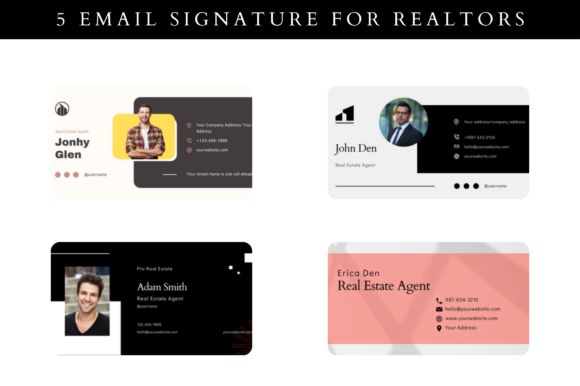
Upon opening the files, the immediate impression is one of structured professionalism. The design language is undeniably corporate yet approachable, striking a balance between modern minimalism and established trust. For a real estate agent, this visual personality is crucial. It does not scream for attention with chaotic colors or playful whimsy; instead, it relies on clean lines, balanced whitespace, and a hierarchy that guides the eye naturally from the agent’s name to their contact details. This makes the Graphics feel premium and reliable, which is exactly the brand identity most realtors aim to project.
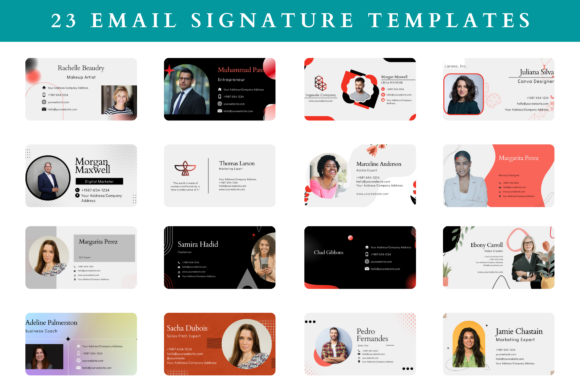
However, for the digital seller, this "clean" aesthetic is a double-edged sword. It is highly versatile because it lacks overly specific seasonal or trendy elements that date quickly. The neutral tone means these templates can be adapted for various niches beyond real estate, such as mortgage brokers, insurance agents, or general small business branding. The mood is serious but inviting, making it an excellent candidate for B2B (business-to-business) digital products where perceived value is tied directly to professionalism.
Expanding Beyond the Inbox: Product Applications
The product description notes that these are Editable in Canva and designed to help users look more professional real estate agent. While this is the primary use case, I tested the assets across several other product categories to maximize their commercial potential. Here is how I envision using this digital product in a real online shop scenario:
- Social Media Graphics: The layout structures work exceptionally well for Instagram story highlights or LinkedIn banner backgrounds. By stripping away the specific contact fields, the remaining graphic elements create a cohesive frame for promotional content.
- Printable Business Cards: The visual hierarchy used in the email signature translates seamlessly to standard business card dimensions. This allows sellers to create bundled offerings where a customer purchases both digital and printable branding assets.
- Client Welcome Packets: Real estate agents often provide digital welcome kits to new buyers. These templates can be repurposed as header graphics for PDF guides, adding a layer of polish to informational documents.
- Website Footer Elements: The horizontal layout is ideal for website footers, providing a consistent brand presence across a client’s digital footprint.
It is important to note that while these are not SVG design files intended for cutting machines like Cricut or Silhouette, they are invaluable for sublimation design projects. For instance, a mug design featuring a "Realtor Life" theme could incorporate elements from these signatures to create a personalized gift item. Similarly, they can serve as the base for t-shirt design concepts aimed at industry conferences, where clean, text-based graphics are preferred over complex illustrations.
Enhancing Product Presentation and Trust
In the competitive landscape of creative marketplace listings, presentation is everything. Using the Premium Realtor Email Signature in your own shop’s communication can subtly reinforce your expertise. When potential buyers receive an invoice or a download link that features a polished, professional signature, it increases perceived value. It signals that you are a serious small business branding partner, not just a casual hobbyist.
Furthermore, these templates excel in product mockup creation. When designing listing images for other digital products, incorporating a realistic email signature on a laptop or smartphone screen within the mockup adds a layer of authenticity. It helps customers visualize how the final product looks in a real-world context, thereby improving click-through potential and conversion rates. This technique is particularly effective for selling Canva template bundles, as it demonstrates the end-user experience clearly.
Strategic Limitations and Careful Usage
While versatile, this asset is not a one-size-fits-all solution. There are specific scenarios where these Graphic Templates should be used with caution. Firstly, they are not suitable for sticker design projects that require intricate cut lines. Since these are primarily raster or editable vector layouts meant for screen viewing, they lack the simplified paths necessary for clean die-cutting. Attempting to use them for complex Cricut project outputs may result in weeding nightmares for your customers.
Secondly, avoid using these designs on dark backgrounds without significant modification. The original color palette is optimized for white or light gray email clients. Placing them on a black background without adjusting the text color and contrast will render them unreadable. Always test the design on real mockups with both light and dark modes to ensure accessibility and visual clarity.
Additionally, be mindful of text density. These templates are designed for specific information blocks. If you attempt to overcrowd them with excessive marketing copy or decorative clipart, you disrupt the visual hierarchy that makes them effective. Keep the layout clean. Let the whitespace do the work. This is especially critical for printable design outputs where resolution and clarity are paramount.
Practical Seller Notes for Commercial Use
Before publishing any listing based on this commercial design, I recommend a rigorous testing phase. Start by verifying the file resolution. Ensure that any PNG exports are at least 300 DPI if they are intended for print applications like business cards or flyers. For web-only uses, 72 DPI is sufficient, but higher resolution ensures crispness on retina displays.
Pairing fonts is another critical step. The templates likely come with suggested typefaces, but experimenting with different combinations can refresh the look. Try pairing the existing structure with a bold serif font for a traditional feel, or a sleek sans serif font for a modern twist. Avoid overly decorative script font or handwritten font choices for the primary contact information, as readability is key in professional correspondence. A display font might work for the agent's name if it remains legible at small sizes.
Finally, always confirm the commercial license terms. While many assets allow for end-product sales, some restrict the resale of the template itself in an editable format. Ensure you are selling a flattened digital download or a unique derivative work rather than redistributing the source files, unless explicitly permitted. Organize your final files clearly for customers, including a readme file with editing instructions, to reduce support queries and enhance the user experience.
In conclusion, the Premium Realtor Email Signature is a robust tool for the digital entrepreneur. It offers a streamlined path to creating professional brand identity materials that extend far beyond the email inbox. By understanding its strengths in corporate aesthetics and its limitations in cut-file applications, you can leverage these design assets to build a cohesive, high-value product collection that resonates with professional buyers.