Reviewing 50 Instagram Stories for Realtors
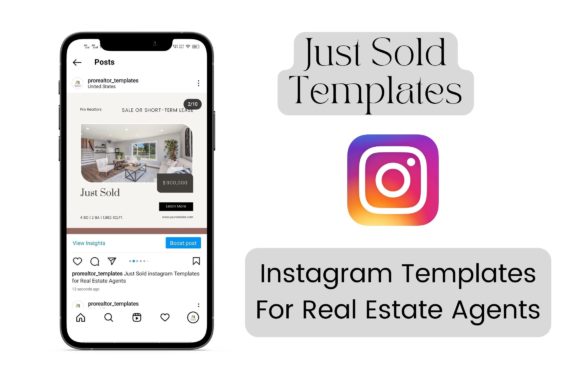
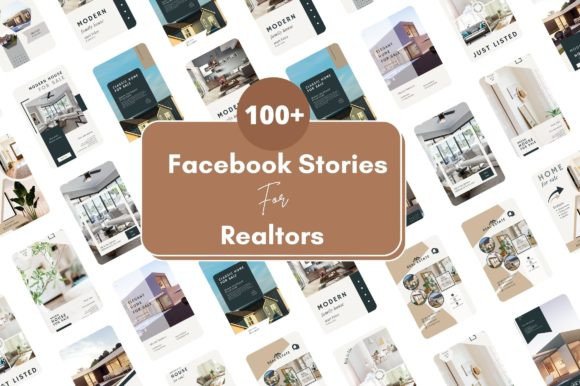
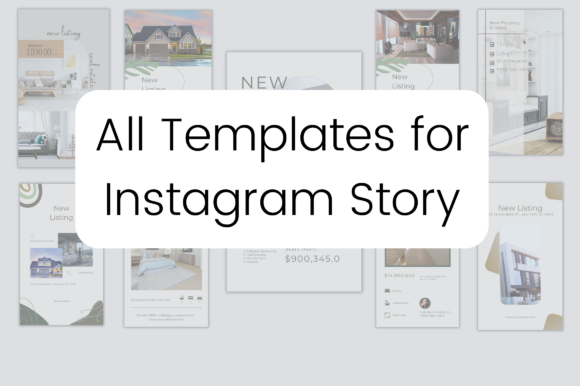
As a designer who spends half my life staring at digitized files and the other half pulling bobbins out of tangled messes, I have learned to be skeptical of anything labeled "premium" until I see the stitch map. When I first encountered 50 Instagram Stories for Realtors, my initial reaction was one of professional curiosity mixed with caution. This is not a traditional machine embroidery design in the sense of a floral motif or a monogram frame. It is a collection of Graphic Templates and Graphics intended for digital marketing. However, in today’s hybrid craft economy, the line between digital assets and physical products is blurring. I wanted to evaluate how these templates could translate from a screen to a tangible embroidery project, specifically for real estate professionals who want to elevate their brand beyond the smartphone.
The First Impression: Visual Personality and Mood
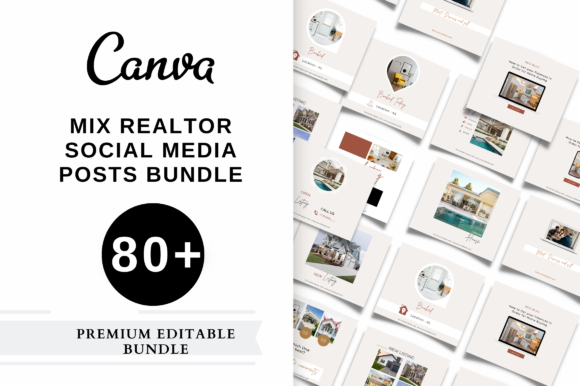
The immediate mood created by this collection is one of polished professionalism. The layouts are clean, modern, and structured to highlight property features or agent credentials. For an embroidery designer, this translates to strong geometric lines and clear typographic hierarchy. The visual personality is corporate yet approachable, which is a difficult balance to strike. When I look at these templates, I do not just see pixels; I see potential applications for branded merchandise. The high-quality nature of the design assets suggests that if adapted correctly, they could serve as the foundation for sophisticated corporate gifts.
However, we must address the elephant in the room: these are editable Canva templates. They are not native embroidery files. This distinction is critical. You cannot simply upload a JPEG from Canva into your embroidery software and expect magic. The value here lies in the layout and branding consistency. As a reviewer, I see this product as a branding kit that informs your physical product design. You use the templates to establish your color palette, font choices, and logo placement, then recreate those elements using proper digitizing techniques for embroidery.
Real-World Application: The Realtor Welcome Kit
To test the practical viability, I imagined a specific scenario: creating a "New Homeowner Welcome Kit" for a high-end real estate agency. The goal was to produce a custom embroidered tote bag and a matching kitchen towel. Using the aesthetic guidelines from the 50 Instagram Stories for Realtors, I selected a minimalist layout with bold, sans-serif typography.
For the tote bag design, I focused on the agent’s logo and a simple tagline found in the template set. Because the templates emphasize clarity, the resulting embroidery needed to be equally crisp. I opted for a satin stitch border around the logo to give it definition against the canvas fabric. The thread colors were matched exactly to the hex codes provided in the Canva templates, ensuring brand consistency between the agent’s online presence and their physical giveaways. The result was a cohesive handmade product that felt expensive and thoughtful, rather than a generic promotional item.
I also considered sweatshirt embroidery for the agent’s own wardrobe. A left-chest logo derived from the template’s clean lines works beautifully on a heavyweight fleece. The simplicity of the graphics ensures that the design does not become bulky or stiff, which is a common pitfall when translating complex digital graphics into thread.
Technical Considerations for Embroidery
While the visual appeal is strong, translating these graphic concepts into stitch requires technical diligence. Here is where my experience as a reviewer comes into play. If you are using these templates as inspiration for your commercial embroidery projects, you must pay attention to detail level.
- Stitch Density: Digital templates often feature solid blocks of color. In embroidery, this requires careful management of fill stitch density. Too dense, and you will perforate lightweight fabrics like polo shirts. Too sparse, and the backing will show through. Always test on scrap fabric first.
- Small Lettering: Many of the Instagram stories include text overlays. In embroidery, tiny lettering can become illegible. If you are adapting these for an embroidered patch or a cap, ensure your text is large enough to be stitched clearly. Avoid intricate serifs unless you are using a high-resolution digitizing approach.
- Fabric Texture: These designs look best on smooth, stable fabrics. Textured fabrics like terry cloth or rough linen can distort the clean lines that make these templates effective. For a baby embroidery project, such as a onesie, use a cut-away stabilizer to prevent puckering.
Where to Use Caution
Not every element in the 50 Instagram Stories for Realtors package translates well to thread. Curved surfaces, such as baseball caps, require special attention. The flat, rectangular nature of many story templates means you may need to crop or reshape the design to fit the curved hoop area. Additionally, dark fabrics present a challenge. If the template relies on light pastel colors for contrast, you will need to adjust your thread colors or add an underlay stitch to ensure visibility on black or navy garments.
Avoid using overly complex gradients or shadows from the templates. Embroidery is a medium of solid colors and texture, not photorealistic shading. Simplify the design to its core components: shape, line, and solid color blocks. This simplification often results in a more professional finished product that reads clearly from a distance.
Enhancing Brand Value and Trust
Why go through the trouble of adapting digital templates for embroidery? The answer lies in perceived value. A realtor who hands over a key in a generic plastic bag is forgettable. One who hands it over in a canvas tote with their logo neatly embroidered in matching brand colors creates a lasting impression. This level of detail builds customer trust and reinforces professionalism.
For Etsy sellers and small shop owners who specialize in B2B services, offering customized embroidery based on a client’s existing digital branding is a lucrative niche. By referencing the client’s social media aesthetics—like those found in these templates—you demonstrate that you understand their brand identity. This leads to higher buyer engagement and repeat business.
Practical Designer Notes
Before you begin stitching, keep these final tips in mind:
- Check Licensing: Ensure you have the right to use the branding elements for commercial products. While the templates are for editing, the final embroidered item must comply with any trademark or copyright restrictions associated with the realtor’s brand.
- Digitize Properly: Do not use auto-digitizing functions for logos. Manual digitizing allows you to control stitch direction and density, which is crucial for maintaining the clean look of the original graphics.
- Test Contrast: Create black and white mockups of your embroidery design to ensure it holds up without color. If the design relies solely on color for definition, it will fail on single-color uniforms or monochrome gifts.
- Stabilizer Selection: Match your stabilizer to your fabric. Use tear-away for stable woven fabrics like tote bags, and cut-away for stretchy knits like sweatshirts.
In conclusion, 50 Instagram Stories for Realtors is a valuable resource for visual inspiration and brand consistency. While it is not an applique design or a ready-to-stitch file, it provides the structural blueprint for creating high-end, branded embroidery products. For the discerning designer, it is a tool to bridge the gap between digital marketing and tactile craftsmanship, resulting in items that truly resonate with clients.