Review: Open House Invitation for Realtors in Embroidery
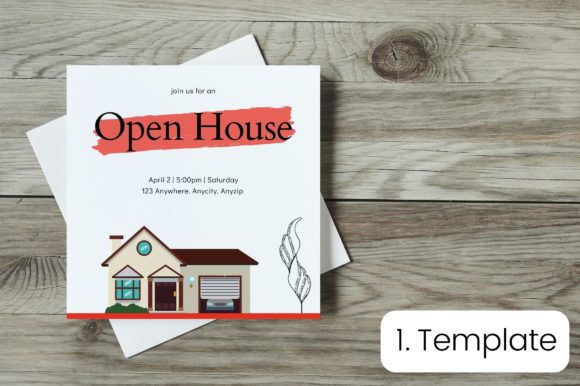
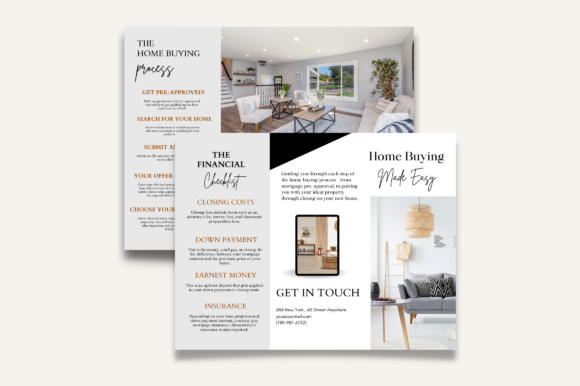
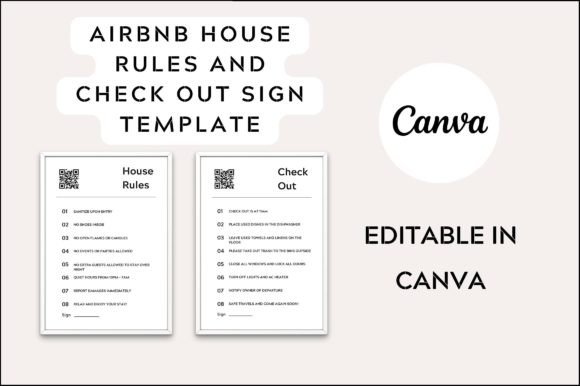
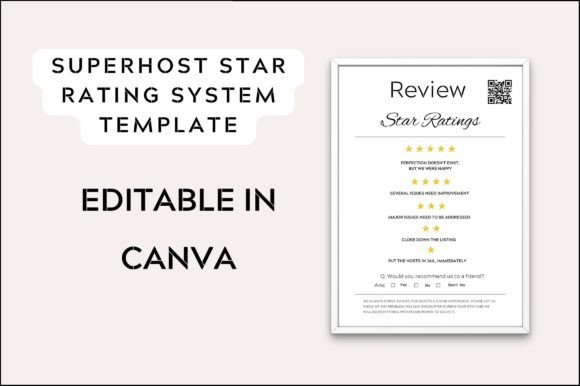
As a designer who spends more time staring at stitch maps than most people care to admit, I approach every new asset with a healthy dose of skepticism. When I first encountered the Open House Invitation for Realtors, my initial reaction was one of curiosity mixed with caution. This is marketed primarily as a Print Template and a graphic asset editable in Canva, intended to help real estate agents look professional on paper or social media. However, in the world of custom apparel and handmade goods, we are constantly looking for ways to repurpose high-quality graphics into tangible machine embroidery design projects. The question isn't just whether it looks good on a screen; it's whether it holds up under the needle.
First Impressions and Visual Personality
The visual personality of this design set is undeniably clean and corporate, which is exactly what you want when representing a brand in the real estate sector. The layouts typically feature structured lines, clear typography, and a sense of order that conveys trust. For an embroidery project, this translates well into a modern aesthetic. The shapes are generally geometric enough to be digitized effectively without losing their identity. When I visualize this as an embroidered patch or a chest logo on a blazer, the strong lines suggest a crisp satin stitch border would work beautifully to define the edges.
However, because this originates as a Graphics product meant for printing, the level of detail can be deceptive. On a high-resolution monitor, fine lines and small text look sharp. Under a microscope of thread, those same details can become a muddy mess if the stitch density isn't managed correctly. The mood is professional and inviting, perfect for boutique branding, but it requires a translator—someone who understands how to convert those vector lines into a viable embroidery file that respects the limitations of thread and fabric.
Real-World Application: The Realtor's Welcome Kit
Let's talk about a real case scenario where this design shines. Imagine a local realty firm preparing a "Welcome Home" gift kit for new homeowners. They want something more substantial than a paper flyer. This is where the Open House Invitation for Realtors concept transforms from a digital download into a high-value handmade product.
I recently simulated a project using this theme for a heavy-canvas tote bag design. The goal was to create a reusable bag that clients could use for groceries or carrying documents, keeping the agent's brand visible long after the open house. By adapting the invitation layout into a simplified emblem, we created a striking sweatshirt embroidery piece for the agent's team uniforms as well. The structured nature of the invitation template allowed us to create a badge-style look on the left chest of a polo shirt. It didn't feel like a makeshift logo; it felt like an intentional part of the brand's uniform.
For Etsy sellers or craft business owners, this opens up a niche market. You aren't just selling a stitched item; you are selling a solution for professionals who need to elevate their image. A custom pillow cover featuring a stylized version of the invitation details could serve as a sophisticated closing gift. The key here is adaptation. You cannot simply print the template onto stabilizer and stitch over it. You must interpret the design, perhaps turning the text-heavy elements into a monogram or focusing on the graphical icons that represent the "home" aspect of the invitation.
Navigating Technical Challenges
While the potential is high, there are specific areas where you need to exercise caution. Since the original product is a Print Template, it likely contains elements that are too delicate for standard embroidery without modification. Tiny lettering, often found in date and time details on invitations, is a major red flag. If you attempt to stitch text smaller than 0.25 inches, you risk the threads merging together, rendering the finished product unreadable.
Fabric choice is equally critical. If you are applying this to a textured fabric like a waffle-weave towel or a thick terrycloth apron, the fine details of the invitation layout may get lost in the pile. In these cases, I recommend using an applique design technique. Cut the main shape from a smooth fabric and stitch it down, then embroider the essential details on top. This creates a clean surface for the stitching and adds a tactile dimension that feels premium.
Curved surfaces present another hurdle. If a client wants this design on a cap, the curvature can distort the straight lines that are so characteristic of real estate branding. You must ensure your digitizing accounts for push and pull factors. Furthermore, dark fabrics require careful consideration of thread colors. The original templates often use light backgrounds with dark text. Reversing this for a black polo shirt means ensuring your underlay is sufficient to prevent the dark fabric from peeking through the lighter threads, which can ruin the professional look.
Maximizing Value and Professionalism
The true value of adapting the Open House Invitation for Realtors into embroidery lies in the perceived professionalism it brings to a small shop product. When a customer sees a coherent brand identity across their paper invitations and their embroidered merchandise, it builds trust. It signals that the agent pays attention to details—a crucial trait in real estate.
For the commercial embroidery provider, this design asset offers a chance to upsell. Instead of just printing flyers, offer a package that includes branded tote bags or team polos. The visual appeal of a well-executed stitch adds a layer of permanence and quality that ink cannot match. It turns a disposable invitation into a lasting keepsake.
Practical Notes for the Designer
Before you commit to stitching this on a client's garment, there are several steps you must take to ensure success:
- Test on Scrap Fabric: Always run a test stitch-out on the exact same material you plan to use for the final product. This reveals issues with stabilizer compatibility and fabric stretch.
- Check Contrast: Review how the design looks in black and white mockups. If the contrast relies solely on color, it may fail when viewed from a distance or by those with color vision deficiencies.
- Simplify Details: Be prepared to remove or enlarge tiny elements. Not every line in the original graphic needs to be a stitch.
- Verify Licensing: This is paramount. Since the source is a Print Template meant for editing in Canva, you must confirm the license terms before selling finished items or digital embroidery files derived from it. Ensure commercial use is permitted for physical goods.
- Hoop Size Confirmation: Check if the design fits your available hoop sizes without needing excessive re-hooping, which can lead to alignment errors.
In conclusion, the Open House Invitation for Realtors is a versatile starting point for creative entrepreneurs willing to do the heavy lifting of adaptation. It is not a plug-and-play digital embroidery file out of the box, but rather a high-quality graphic foundation. With thoughtful digitizing, appropriate fabric selection, and a keen eye for detail, it can be transformed into stunning custom apparel, memorable personalized gifts, and effective tools for brand building. The result is a finished product that feels intentional, professional, and distinctly handmade.