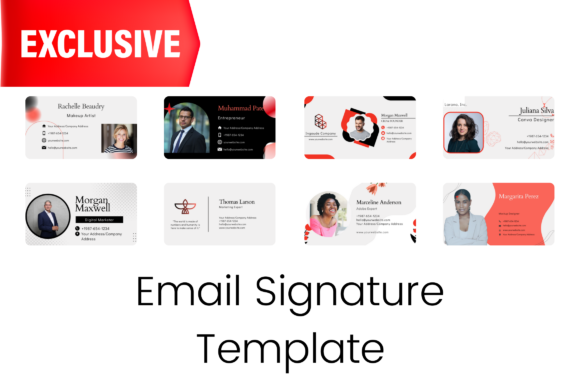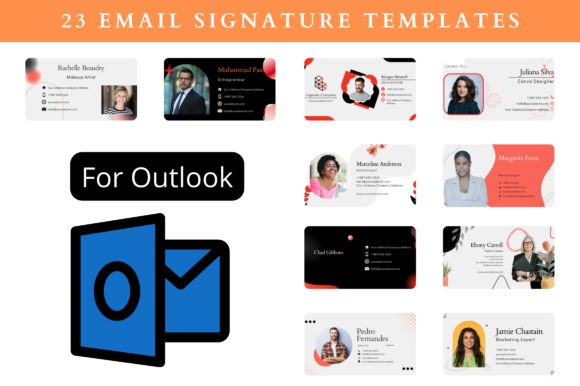
Review: Email Signature Template for Outlook
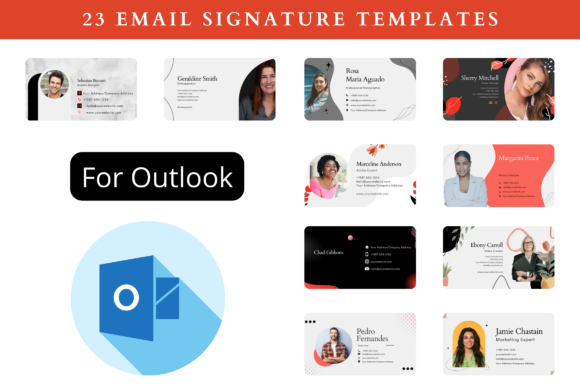
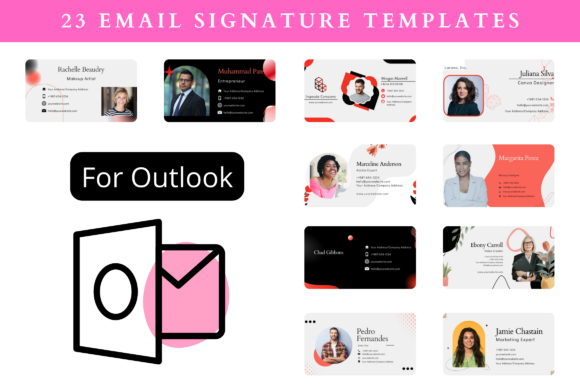
As a designer who spends half my life digitizing patterns and the other half stitching them out, I have learned to look at any Graphic Templates with a critical eye. We often assume that what looks crisp on a screen will translate perfectly to thread and fabric, but the reality of embroidery is far more nuanced. Recently, I evaluated the Email Signature Template for Outlook not for its digital utility, but for its potential as a design asset in physical craft projects. While the product description highlights its use for professional email branding, my focus was on how these clean, structured lines could serve small business owners, Etsy sellers, and handmade shop owners looking to elevate their brand presence through tangible goods.
First Impressions: Clean Lines and Professional Mood
The first thing that strikes you about the Email Signature Template for Outlook is its minimalist aesthetic. In the world of embroidery, simplicity is often a virtue. Complex, cluttered designs can become muddy when stitched, especially on textured fabrics. This template, however, relies on strong typography and balanced spacing. The mood it creates is one of reliability and modern professionalism. For a creative entrepreneur, this visual personality is invaluable. It suggests that the maker behind the product pays attention to detail, a trait that translates directly from a digital signature to a stitched logo on a tote bag or apron.
When I opened the files, I noticed the layout was optimized for horizontal spaces. This is crucial for embroidery because our hoop sizes are limited. A design that is too tall or too wide requires cumbersome re-hooping or results in a cramped final product. The proportions here felt natural for standard rectangular hoops, making it a versatile candidate for various embroidery project types.
Real-World Application: The Boutique Tote Bag Scenario
To truly test the viability of this design, I imagined a common scenario for many crafters: preparing a custom order for a local boutique. The client wanted branded tote bags for their staff. Usually, I would reach for a complex floral applique design, but for a professional service provider, something cleaner was needed. I considered using the structure of the Email Signature Template for Outlook as inspiration for the stitching layout.
On a canvas tote bag design, the clean lines of this template would shine. Using a satin stitch for the borders and a lighter fill stitch for any background elements, the design would maintain its clarity. The key here is contrast. On a natural cotton canvas, a deep navy or charcoal thread would mimic the professional look of a digital signature. Customers reacting to this bag would not just see a container; they would see a extension of the brand’s identity. It builds trust. When a customer receives a personalized gift or a branded item that looks polished, their perceived value of the service increases. This is the power of consistent branding, whether digital or physical.
Performance Across Different Products
Beyond tote bags, this design approach works exceptionally well for custom apparel. Imagine a high-quality polo shirt or a structured blazer for a real estate agent or consultant. The Email Signature Template for Outlook aesthetic fits perfectly on the left chest area. Here, the stitch density must be managed carefully. Too dense, and the fabric puckers; too light, and the underlying shirt color shows through, ruining the legibility. For sweatshirt embroidery, the thicker fabric allows for slightly denser stitching, giving the text and lines a raised, tactile quality that feels premium.
For Etsy sellers creating baby embroidery items, such as milestone blankets or nursery decor, the softness of the design is an advantage. However, one must be cautious with thin fabric or stretchy materials. In these cases, a proper stabilizer is non-negotiable. I would recommend a cut-away stabilizer for knits to ensure the design does not distort after washing. For rigid items like embroidered patch creations or cap fronts, the stability is inherent, allowing the crisp lines of the template to stand out without fear of warping.
Technical Considerations and Pitfalls
While the design is promising, there are areas where caution is required. The primary challenge with any template derived from digital Graphics is the translation of fine details. If the Email Signature Template for Outlook includes tiny lettering or intricate icons, these may not survive the embroidery process. Needle penetration can blur small gaps between letters. I always advise testing the design on scrap fabric first. Check the thread colors against your chosen fabric. A low-contrast combination, such as light gray on white, will disappear in stitching, whereas it might look subtle and elegant on a screen.
Curved surfaces, like caps or rounded pillow covers, present another challenge. The horizontal nature of the signature template means it must be centered perfectly. Any slight misalignment in the hoop will be obvious to the eye. Additionally, avoid placing dense stitch areas near seams or zippers, as this can cause machine errors or uneven stitching. For holiday embroidery gifts, such as kitchen towels or aprons, ensure the design is placed where it will not be subjected to excessive abrasion during use, preserving the integrity of the threads.
Enhancing Brand Value and Customer Trust
Using a cohesive design language across your digital and physical products creates a powerful brand ecosystem. When a client sees your professional Email Signature Template for Outlook in their inbox and then receives a beautifully stitched thank-you card or product tag with matching aesthetics, it reinforces professionalism. This consistency boosts buyer engagement and encourages repeat business. For small shop product lines, this level of polish sets you apart from hobbyists who neglect branding.
Moreover, for those selling digital embroidery file packages or printable mockup assets, having a versatile, clean template allows for greater flexibility in marketing materials. It serves as a neutral yet sophisticated backdrop for showcasing other designs. Whether you are creating design assets for other makers or finishing products for end consumers, the clarity and structure of this template support a high-end presentation.
Practical Notes for the Embroidery Designer
Before committing to a full production run, take these practical steps. First, verify the licensing terms. Just because a template is editable in Canva does not automatically grant rights for commercial embroidery sales. Always confirm whether the Graphic Templates can be used in physical goods for resale. Second, digitize with care. If you are converting the visual template into a machine-readable format, pay close attention to underlay stitches. Proper underlay stabilizes the fabric and provides a foundation for the top stitches, ensuring sharp edges and clean corners.
Test the design in black and white mockups to check for contrast issues. Compare how it looks on light versus dark fabric backgrounds. Remember that thread has sheen, which changes how colors perceive light compared to flat digital ink. Finally, consider the end-user experience. Will the finished product be washed frequently? If so, use polyester threads for durability and colorfastness. By treating the Email Signature Template for Outlook not just as a digital tool but as a foundational design element, you can create embroidered goods that exude quality, professionalism, and thoughtful craftsmanship.