Real Estate Open House Checklist Graphics & Templates
As a digital product creator who has spent years navigating the shifting tides of creative marketplace trends, I have learned that not every asset is created equal. When I first downloaded the Real Estate Open House Checklist, my immediate goal was to determine if it could serve as a foundational piece for a broader suite of professional tools. In the world of graphic design asset creation, especially for B2B or service-based niches, utility often trumps pure decoration. However, the visual appeal remains critical for conversion. This review breaks down how this specific asset performs when tested against the rigorous demands of Etsy sellers, print-on-demand entrepreneurs, and independent designers.
First Impressions: Visual Personality and Niche Appeal
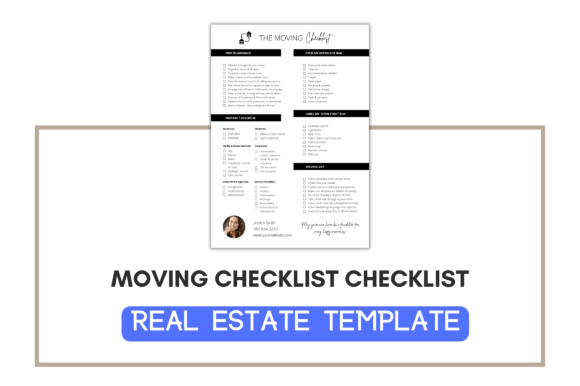
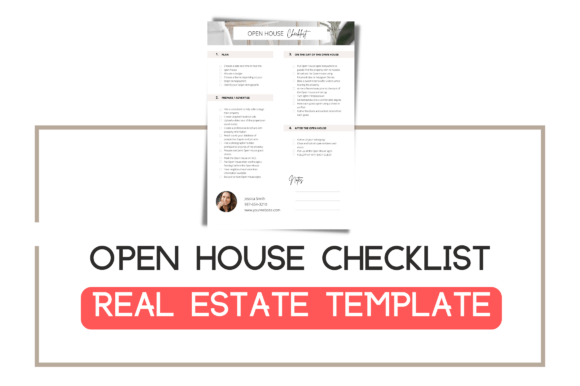
The initial download revealed a clean, structured aesthetic that leans heavily into modern minimalism. For real estate agents and property managers, clutter is the enemy. The Real Estate Open House Checklist reflects this need for clarity. It does not attempt to be overly whimsical or rustic; instead, it projects a sense of organized professionalism. This "premium" feel is essential because the target audience—real estate professionals—is willing to pay for tools that make them look established and trustworthy.
From a design perspective, the layout offers excellent visual hierarchy. The spacing allows for easy readability, which is crucial whether the end-user prints it on standard letter paper or views it on a tablet during an open house. For those of us creating Graphic Templates, this balance between form and function is the sweet spot. It feels commercial rather than handmade, which is exactly what a corporate or semi-corporate client expects. If you are building a brand identity for a real estate agency, this asset fits seamlessly into a suite of small business branding materials.
Practical Applications for Digital Sellers
The versatility of this checklist extends far beyond a simple PDF download. As I evaluated its potential for my own shop, I identified several high-value applications across different product categories. Here is how you can leverage this digital product in your inventory:
- Canva Template Bundles: Since the asset is editable in Canva, it serves as a perfect core item for a "Real Estate Marketing Kit." You can bundle it with social media posts, flyer templates, and thank-you cards to increase the perceived value of your listing.
- Printable Design Products: Offer it as a standalone high-resolution PDF for agents who prefer instant downloads. Ensure you optimize the file for home printing to avoid ink-heavy backgrounds.
- Social Media Graphics: Break down the checklist items into individual carousel slides for Instagram or LinkedIn. This transforms a static document into engaging social media graphics that drive traffic to your main product.
- Client Onboarding Packets: Real estate agencies often need cohesive packaging design for their client welcome kits. This checklist can be integrated into a larger brochure or folder design.
For Cricut users and crafters, the application is slightly different but still viable. While this is primarily a document template, the graphical elements—such as icons for keys, houses, or checkmarks—can be isolated. These can be used to create sticker design sheets for planners or decorative elements for scrapbooking kits focused on home buying journeys. However, always verify the cut lines if you are converting these elements into SVGs.
Enhancing Product Presentation and Trust
In the crowded landscape of Etsy product listings, your mockups are everything. The Real Estate Open House Checklist lends itself beautifully to lifestyle mockups. Imagine displaying the checklist on a clipboard resting on a kitchen counter, or held by a hand in front of a blurred living room background. These images tell a story. They help the buyer visualize the product in use, which significantly boosts customer trust and click-through potential.
When creating your listing images, focus on brand consistency. Use fonts that complement the checklist’s existing typography. Pairing the clean lines of the template with a sophisticated serif font for headings or a clean sans serif font for body text in your promotional graphics can elevate the overall look. Avoid using overly decorative script font or handwritten font styles that might clash with the professional tone of the real estate niche. The goal is to reinforce the idea that this is a commercial design tool, not just a cute printable.
Where to Use It Carefully
While the asset is robust, it is not without its limitations. Experienced sellers know that context is key. Here are scenarios where you should exercise caution:
- Tiny Sticker Details: If you isolate small icons from the checklist for sticker sheets, ensure they are large enough to cut cleanly. Intricate details may get lost on smaller vinyl cuts.
- Dark Backgrounds: The design likely assumes a white or light background for printing. Placing it on dark merchandise, like black t-shirts or mugs, may require significant inversion or color adjustment to maintain readability.
- Low-Resolution Prints: Always check the DPI. If you are scaling the checklist for large format prints, such as poster-sized open house signs, ensure the source files are vector-based or high-resolution enough to avoid pixelation.
- Crowded Thumbnails: Do not cram the entire checklist into a small Etsy thumbnail. It will become unreadable. Instead, zoom in on a specific section or use a mockup that shows the whole page from a distance.
Technical Notes for Commercial Success
Before publishing any listing featuring the Real Estate Open House Checklist, thorough testing is non-negotiable. I recommend printing a physical copy to check color accuracy and alignment. Verify that the PNG design files have transparent backgrounds if you plan to layer them over other images. For those creating sublimation design products, test the colors on your specific printer and paper combination, as screen colors rarely match print output perfectly.
File organization is another critical factor. Customers appreciate clear folder structures. Label your files intuitively, such as "Checklist_PrintReady.pdf" or "Editable_Canva_Link.txt." This attention to detail reduces customer service inquiries and leads to better reviews. Furthermore, always double-check the commercial license terms. Ensure you understand whether you can sell the template as-is or if you must incorporate it into a larger, unique design. Most marketplaces require significant transformation for template resale.
Finally, consider the design bundle strategy. A single checklist is a low-ticket item. By combining it with related Graphics—such as open house sign templates, property feature sheets, and buyer guides—you create a comprehensive solution. This approach not only increases your average order value but also positions your shop as an authority in the real estate niche. The Real Estate Open House Checklist is more than just a list; it is a building block for a profitable, professional digital product line. When used strategically, it saves time for creators and delivers tangible value to end-users, making it a worthwhile addition to any serious designer’s toolkit.