Pinterest Graphics: Realtor Templates Review
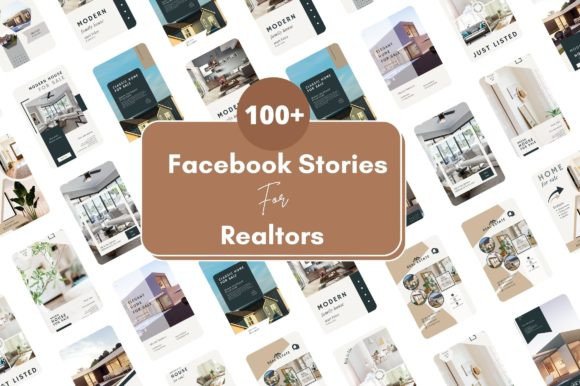
As a brand designer and content marketer, I have reviewed countless graphic design assets intended to streamline social media workflows. Recently, I evaluated the Editable Pinterest Stories for Realtors to determine its viability for a high-stakes real estate marketing campaign. The goal was not just aesthetic appeal, but functional utility in building audience trust and maintaining visual hierarchy across digital platforms. This review explores how these Graphic Templates perform in real-world scenarios, from initial impression to final deployment.
First Impressions: Mood and Brand Perception
Upon opening the design bundle, the immediate takeaway is a sense of structured professionalism mixed with approachable warmth. In real estate, the emotional tone must balance authority with accessibility. These templates achieve this by utilizing clean lines and ample white space, which prevents the visuals from feeling cluttered or aggressive. The mood created is one of modern sophistication, suitable for agents who want to position themselves as premium consultants rather than just salespeople.
For small business branding, first impressions are critical. If a potential client sees a messy or inconsistent pin, they may question the agent’s attention to detail in contract negotiations. These Graphics mitigate that risk by providing a polished foundation. They feel particularly suited for lifestyle content and commercial marketing materials, where the visual needs to sell a dream home, not just a listing. The design avoids overly trendy elements that might date quickly, ensuring the assets remain relevant throughout a long-term content strategy.
Integrating into Real Marketing Workflows
To test the practical application, I imagined a scenario where a boutique real estate agency is launching a seasonal open house series. The challenge was to create a cohesive look across Pinterest, Instagram, and email newsletters without exhausting the design team. The Editable Pinterest Stories for Realtors served as the core creative design element. Because they are fully editable, we could rapidly swap out property photos and adjust headlines to match specific neighborhood vibes.
This adaptability is crucial for content marketing. Whether you are creating social media graphics for Instagram posts, designing digital ads for Facebook, or crafting headers for blog posts, consistency is key. These templates allow for seamless integration into a broader brand identity. For instance, the same layout used for a Pinterest story can be resized and repurposed as an email banner or a website header. This cross-platform versatility transforms a simple digital product into a comprehensive marketing toolkit.
Enhancing Visual Hierarchy and Engagement
One of the strongest aspects of this asset is its support for clear visual hierarchy. In marketing visuals, the eye must travel logically from the hook to the value proposition, and finally to the call to action. These templates guide that journey effectively. The typography placeholders are sized to ensure readability, while the image frames are positioned to highlight the property’s best features. This structure leads to stronger recognition and improved engagement, as users can instantly grasp the message without cognitive overload.
Furthermore, consistent use of these Graphic Templates builds audience trust. When followers see a uniform aesthetic across multiple pins, it reinforces professional branding. It signals that the agent is organized, reliable, and invested in their presentation. This psychological impact is subtle but powerful, often leading to higher click-through rates and more qualified leads. The designs facilitate a memorable campaign visual language that distinguishes the agent from competitors who may be using generic or disjointed imagery.
Ideal Use Cases and Strategic Placement
These assets work best when used as hero graphics or campaign headers. They are ideal for product launch visuals, such as introducing a new listing or promoting a buyer’s guide lead magnet. As part of a content bundle, they can serve as promotional banners that drive traffic to a website or landing page. They also function well as decorative brand elements within editorial layouts, adding a touch of polish to longer-form content like market reports or neighborhood guides.
For those utilizing Canva template workflows, the ease of customization is a significant advantage. You can quickly align the colors with your existing logo design and packaging design elements if you produce physical mailers. The templates bridge the gap between digital presence and tangible marketing materials, ensuring that whether a client sees a pin online or a flyer in their mailbox, the brand experience remains cohesive.
Limitations and Careful Application
While versatile, these design assets require careful handling in certain contexts. They are not ideal for formal corporate branding where strict minimalism is required, as the decorative elements might feel too expressive. Additionally, they should be used cautiously in dense information layouts. If you need to convey complex data or lengthy legal disclaimers, the template’s structure may compete with the text, reducing readability.
Avoid using these on low-contrast backgrounds, as the design elements may lose definition. They are also less effective for text-heavy ads where the message is purely informational rather than visual. In such cases, a simpler, more neutral illustration or plain typography might serve better. Always ensure that the asset does not overpower the main message; the property photo and the headline should remain the focal points, with the template serving as a supportive frame.
Practical Designer Notes for Implementation
Before deploying these Graphics in a live campaign, I recommend several technical checks. First, test the templates with your specific brand color palette. While the defaults are attractive, customizing hues to match your brand identity ensures deeper cohesion. Check how the designs look in black and white, as some users may view content in grayscale modes or print materials.
Place the designs inside real campaign mockups to gauge scale and impact. Preview them on mobile screens, since most Pinterest traffic is mobile-driven. Test readability in small sizes to ensure that headlines and calls to action remain legible. Compare the final output against competitor visuals to confirm that your stand out without appearing chaotic.
Typography pairing is another critical step. Experiment with how the template pairs with serif fonts for a classic feel, sans serif fonts for modernity, or script fonts for a personal touch. Ensure that the font styles complement rather than clash with the template’s inherent design language. Review spacing and balance after inserting your content, adjusting margins if necessary to maintain airiness.
Finally, always confirm the commercial license terms before using these assets in paid campaigns, client work, or business branding. Understanding the rights associated with the digital download protects your business from legal issues and ensures ethical use of creative marketplace resources. By following these steps, you can maximize the value of the Editable Pinterest Stories for Realtors, turning a simple template into a powerful engine for professional branding and sustained market presence.