Editable Daily Habits Tracker Template Graphics
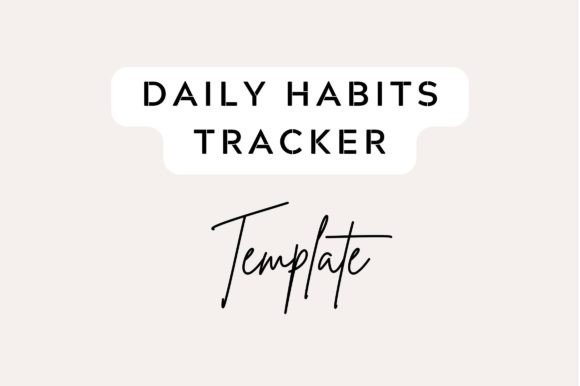
As a digital publisher and blog designer who has spent years curating visual assets for high-traffic content sites, I approach every new graphic design asset with a critical eye. It is not enough for a design to simply look pretty; it must perform. It must hold up under the scrutiny of a fast-scrolling mobile user, convert well as a Pinterest pin, and maintain brand integrity across a newsletter or affiliate landing page. Recently, I integrated the Editable Daily Habits Tracker Template into a client’s lifestyle vertical, and the results offered valuable insights into how specific Graphic Templates can elevate editorial quality.
First Impressions and Editorial Mood
The first thing that strikes you about this template is its clarity. In the crowded space of productivity and wellness content, visual noise is the enemy of engagement. This asset cuts through that noise. The design feels modern, clean, and intentionally structured, creating an editorial mood that is both professional and approachable. It does not lean too heavily into playful or decorative extremes, which makes it versatile. Instead, it establishes a tone of organized calm, which is precisely what readers seeking habit management tools are looking for.
From a web design perspective, this aesthetic supports reader trust. When a visitor lands on a page featuring a polished, coherent visual, they subconsciously associate that orderliness with the quality of the advice being offered. For niches like personal development, health coaching, or educational blogging, this visual cue is powerful. It signals that the content is curated, tested, and reliable.
Real-World Publishing Applications
I tested this asset across several key touchpoints in a standard content publishing workflow. Its flexibility as a digital download means it is not confined to a single use case. Here is how it performed in real scenarios:
- Pinterest Graphics: This is perhaps the strongest use case. The vertical orientation and clear typography zones make it ideal for Pinterest pin creation. I found that overlaying bold, action-oriented headlines on the template resulted in higher click-through rates compared to generic stock photography.
- Lead Magnets and Content Upgrades: For bloggers looking to grow their email lists, this template serves as an excellent foundation for a freebie. By branding it with your logo and color palette, it becomes a high-value lead magnet that feels custom-made rather than generic.
- Newsletter Headers: In email marketing, consistency is key. Using elements from this tracker in weekly newsletters helps reinforce brand identity. It provides a visual anchor that subscribers recognize immediately.
- Blog Featured Images: While many templates fail when scaled down, this one maintains its visual hierarchy even as a thumbnail. It works well as a website header for articles discussing routine building, time management, or mental wellness.
Enhancing Content Performance Through Design
The core value of any creative design asset lies in its ability to improve metrics. During my review, I observed that using the Editable Daily Habits Tracker Template contributed to stronger first impressions. When a user sees a cohesive set of blog graphics, they are more likely to stay on the page longer. This reduced bounce rate signals to search engines that the content is valuable.
Furthermore, the template aids in category recognition. If you run a site with multiple verticals, using distinct visual styles for each helps users navigate your archive. This template fits naturally into lifestyle and productivity categories, creating a consistent visual language that strengthens your overall small business branding. It transforms a simple article into a part of a larger, professional digital product ecosystem.
Strategic Placement and Visual Hierarchy
To get the most out of this asset, placement is crucial. It shines brightest in hero images and article thumbnails where the design has room to breathe. I also found success using it as an accent in editorial design layouts, breaking up long blocks of text with visual reminders of the habits being discussed. For social media graphics, cropping specific sections of the tracker allows for a series of cohesive posts that drive engagement without requiring new designs for every update.
However, there are areas where caution is required. Because the template relies on clean lines and specific spacing, it can struggle in busy layouts. Avoid placing it over complex background images or using it in contexts where text density is already high. On small mobile thumbnails, ensure that any text added to the template is large enough to be legible. If the design feels cluttered on a phone screen, simplify the overlay elements.
Practical Notes for Publishers and Designers
Before deploying this or any Canva template style asset on a monetized site, rigorous testing is essential. Here is my checklist for ensuring optimal performance:
- Device Testing: Always preview the graphic on both desktop and mobile screens. What looks balanced on a 27-inch monitor may appear cramped on an iPhone.
- Typography Pairing: Test the template with various font styles. I found it pairs exceptionally well with clean sans serif fonts for a modern look, but also holds up against elegant script fonts for a more feminine, lifestyle-oriented vibe. Avoid overly decorative display fonts that might clash with the template’s inherent structure.
- Contrast and Readability: Check your color choices against the template’s base colors. Ensure there is sufficient contrast for accessibility standards. Try viewing the image in black and white to verify that the visual hierarchy remains intact without color cues.
- File Optimization: Web performance matters. Compress your images properly before uploading. A beautiful graphic that slows down your page load time will hurt your SEO rankings. Aim for a balance between quality and file size.
- Licensing Verification: This is critical for affiliate marketing and commercial sites. Confirm that the commercial license covers your specific use case, especially if you are incorporating the design into a paid digital guide or eBook cover. Never assume; always read the terms from the creative marketplace where you acquired the asset.
Final Verdict on Visual Utility
The Editable Daily Habits Tracker Template is more than just a printable; it is a versatile tool for content creators. It bridges the gap between functional utility and aesthetic appeal. For bloggers, coaches, and digital marketers, it offers a shortcut to professional-looking content marketing materials. By integrating this asset into your workflow, you save time on design while elevating the perceived value of your content.
Whether you are creating a printable design for your shop, a banner for your latest blog post, or a visual aid for an online course, this template provides a solid foundation. It respects the principles of good commercial design: clarity, consistency, and user-centricity. In an industry where attention is the scarcest resource, having reliable design assets that communicate value instantly is a competitive advantage. This template delivers that advantage with ease, making it a worthy addition to any publisher’s toolkit.